Elfjaw at Wild on the Wall: An Artistic Journey 2026

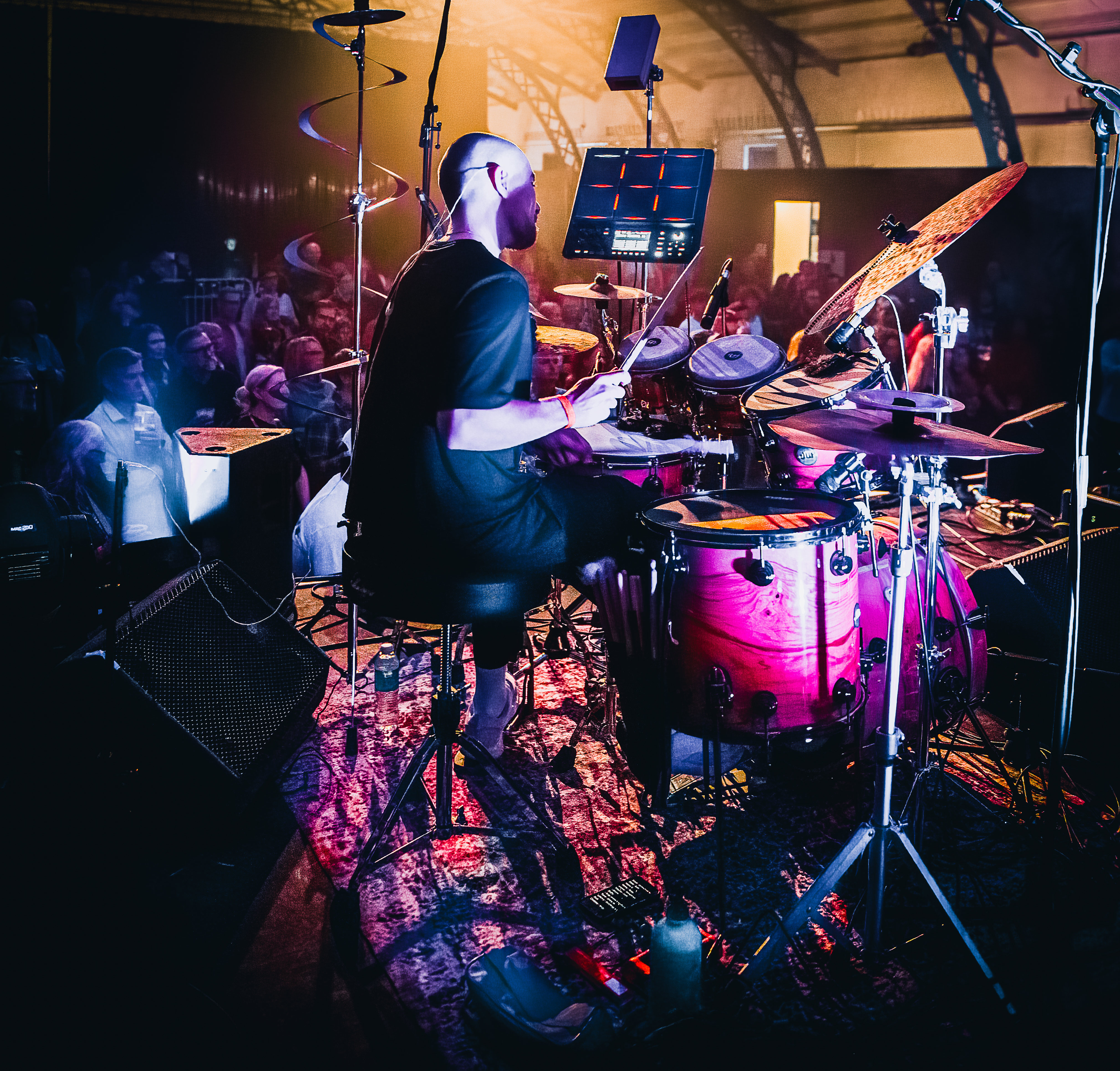
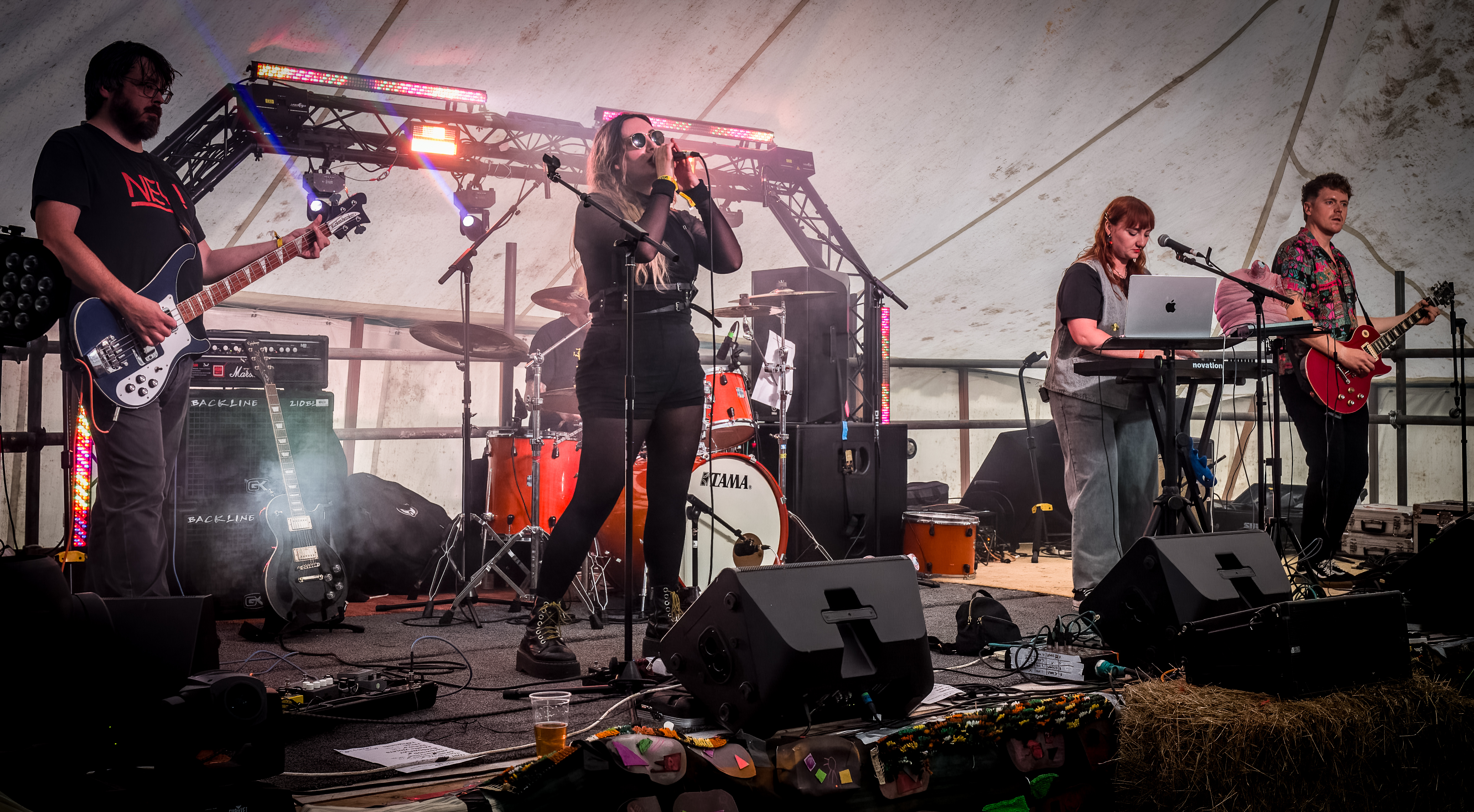
Elfjaw brought a distinctive and captivating energy to Wild on the Wall 2026, creating a set full of atmosphere, movement and character. Their performance had an almost theatrical quality, with plenty of moments that translated beautifully through the camera. As a music photographer, these are the kind of performances I enjoy capturing — where the music, lighting and personalities on stage come together to create something visually striking. Here are some of my favourite images from Elfjaw’s set at the festival.

Live Music: Plugin Maybe at The Brickyard Carlisle

Plugin Maybe at The Brickyard, Carlisle

I photographed Plugin Maybe, a Muse tribute band, when they played The Brickyard in Carlisle on 23 May 2026. Bringing the sound and energy of Muse to the stage, they put on a great show and made for some fantastic live photography.

Stone Carved Faces of Coombs Wood

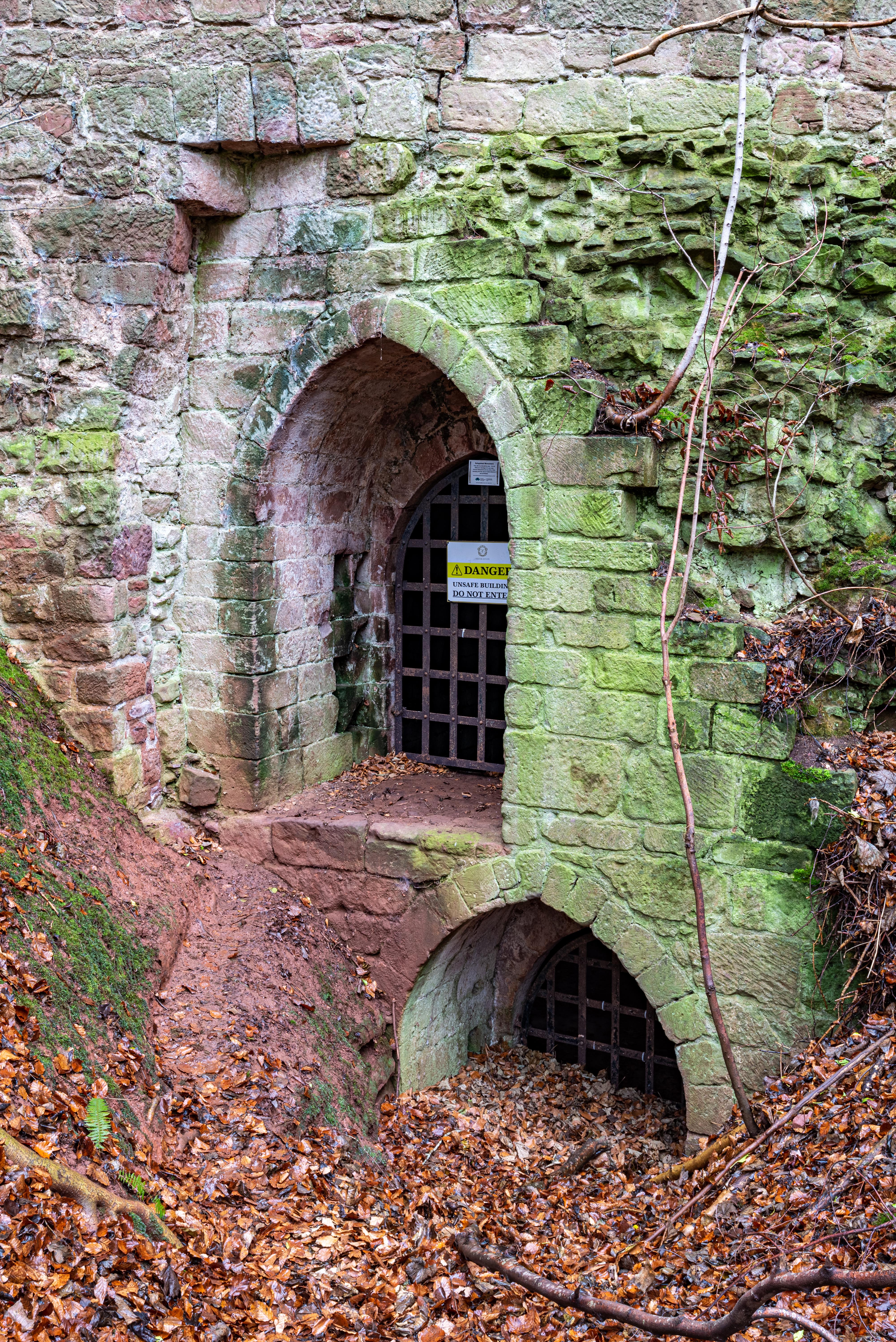
The carved writing is a quotation from Isaac Watson’s “Compleat Angler” said to be carved by an eccentric local scholar and traveller William Mounsey in 1855.

The carved faces may pre-date the verse by a couple of hundred years and seem to be rather mysterious.

Panagia tou Sinti Monastery

The abandoned monastery of Panagia tou Sinti is situated on the banks of the Xeros River in Pentalia, and is dedicated to the Virgin Mary (Panagia) of Sinti.

The church has an octagonal dome with four windows and belongs to the first half of the 16th century. Its central nave is in good condition, and it is considered to be one of the most important buildings of the Venetian period.

The Monastery remained in operation until 1927 and thereafter was abandoned. In 1994, the Monastery of Kykkos undertook the maintenance of the Monastery, completing it in 1997 when it earned the Europa Nostra Award for the use of good restoration techniques and preservation of its original character.  

Old Theletra

Old Theletra was abandoned several decades ago. The threat of landslides drove the population up the hill to a new settlement. Since then the village has mainly been left to crumble.

In the late 1970s, due to the danger of landslides caused by strong earthquakes, soil erosion and the impossibility of further development of the village, residents decided to move to a new place – to the top of the very hill where they lived. The government supported them in this affair and helped to found New Theletra, which was established in a safer place. By the way, no destructive landslides, which the residents feared so much, have not happened since that moment, but the danger still remains.